


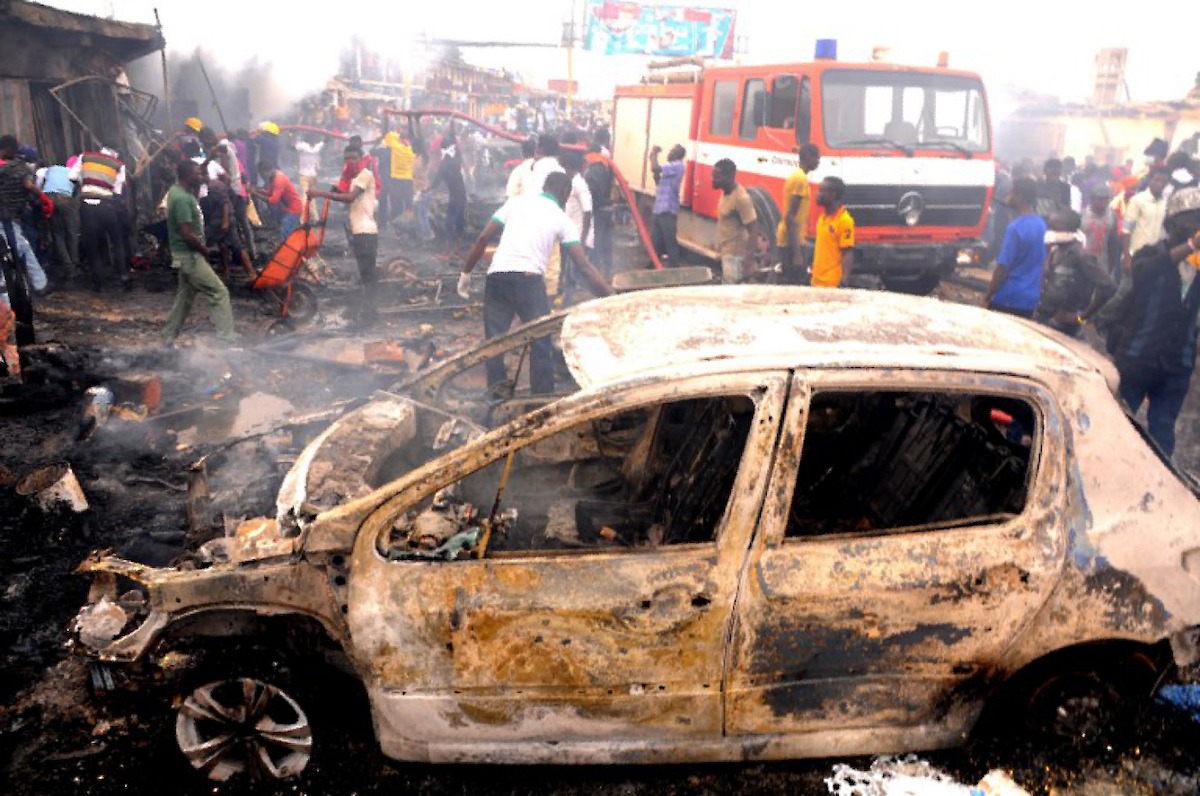
The Human Cost of Modern Warfare in Nigeria’s North
In northern Nigeria, war is not an abstract concept discussed on television panels or foreign policy briefings. It is now a lived experience—felt in the sound of aircraft overhead, the sudden displacement of villages, and the quiet grief that follows violence.
While Nigeria has not been attacked by foreign missile strikes, modern warfare has nonetheless reached its northern communities through airstrikes and heavy weapons used in the fight against insurgency. For civilians caught in between, the difference in terminology matters far less than the outcome.
The Human Cost of Modern Warfare: When Missiles Miss the Headlines but Hit Civilians
Modern warfare is often described in technical terms—precision strikes, strategic objectives, collateral damage. These phrases can make violence sound distant and abstract. Yet behind every military operation, regardless of where it occurs, are civilians whose lives are permanently altered. The human cost of missile warfare is real, measurable, and devastating, even when it unfolds far from global headlines.
Precision Is Not Protection
Advanced militaries often emphasize “precision” as proof that modern missiles reduce civilian harm. While technology has improved targeting, it has not eliminated civilian suffering. Missiles still destroy homes, hospitals, power stations, roads, and water systems. Even when a strike hits its intended military target, shockwaves ripple outward—economically, psychologically, and socially.
Civilians pay the price long after the explosions stop. Families are displaced. Children miss years of schooling. Healthcare systems collapse under pressure. Trauma becomes a daily reality.
In this sense, modern warfare is not only about who is targeted, but about who must live with the aftermath.
Modern warfare harms civilians whether it comes from the sky or from within national borders.

Boko Haram, Counter-Insurgency, and Civilian Harm
The insurgency led by Boko Haram has devastated northern Nigeria for over a decade. The group’s attacks on schools, markets, churches, and mosques have killed tens of thousands and displaced millions.
In response, the Nigerian state has relied heavily on military force, including air power. While these operations have weakened insurgent capabilities, they have also exposed civilians to grave risk—especially in rural areas where fighters and non-combatants often live side by side.
For families who lose loved ones to airstrikes, the pain is indistinguishable from that caused by insurgent violence.


Displacement as a Way of Life
Northern Nigeria is home to one of Africa’s largest populations of internally displaced persons. Camps in Maiduguri and surrounding towns are filled with people who fled not only Boko Haram attacks, but also military operations that made their villages unlivable.
Displacement brings its own hardships:
-
food insecurity
-
limited healthcare
-
disrupted education
-
vulnerability of women and children
For many, returning home is impossible—not because the fighting continues, but because homes, wells, and farmlands no longer exist.
The Silence Around Civilian Suffering
Unlike conflicts involving global powers, violence in northern Nigeria rarely commands sustained international attention. Civilian deaths are often reported briefly, if at all. Investigations take months. Accountability is slow.
This silence deepens the wounds of affected communities, reinforcing the sense that their lives matter less on the global stage.
Yet the trauma experienced by a mother in Borno who loses her child to an airstrike is no different from that felt anywhere else in the world.
Rethinking Security in Nigeria
Lasting security in Nigeria cannot be achieved through firepower alone. Military action may be necessary, but without:
-
accurate intelligence
-
civilian protection mechanisms
-
accountability for mistakes
-
and long-term investment in development
violence simply reproduces itself.
Northern Nigerians do not only need protection from insurgents—they need protection during counter-insurgency.
Conclusion: Naming the Pain, Not Just the Weapons
Whether people call them missiles, bombs, or airstrikes, what matters most is the human cost. In northern Nigeria, modern warfare has left scars that statistics cannot fully capture.
Acknowledging civilian suffering—honestly and accurately—is not anti-military or anti-state. It is pro-humanity.
And until the lives of ordinary Nigerians are placed at the center of security decisions, the sky will remain a source of fear instead of safety.


